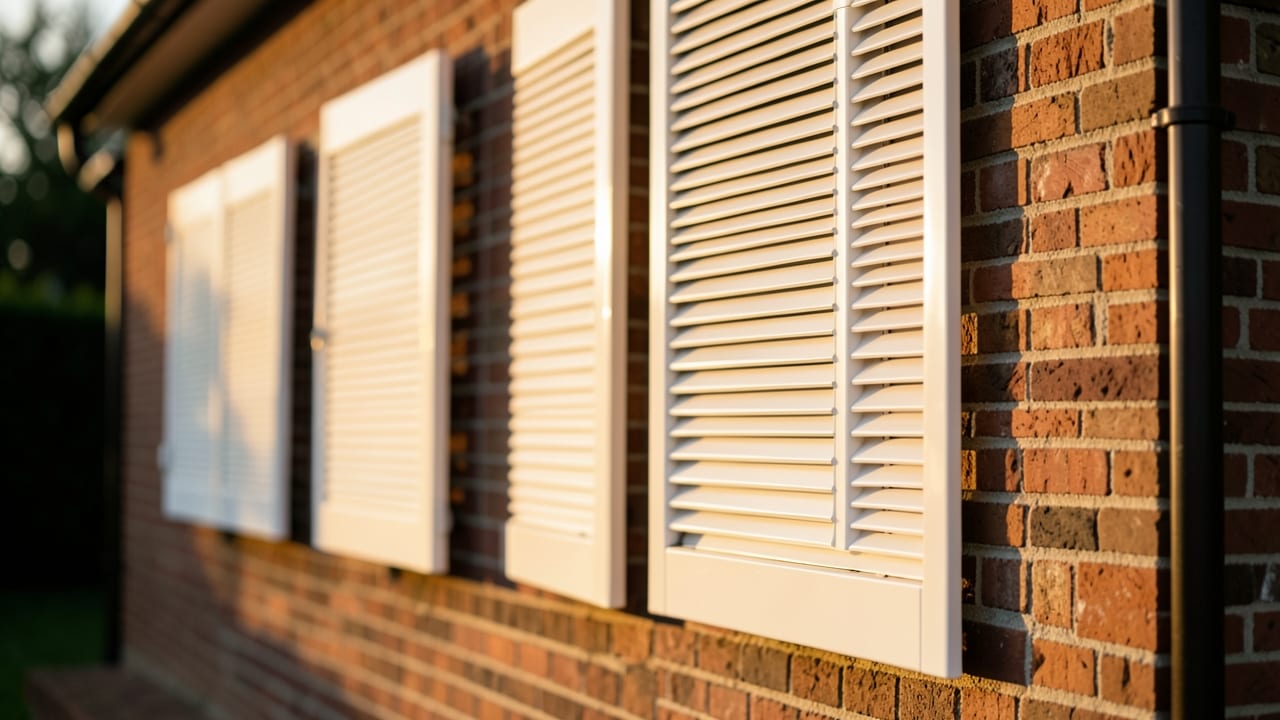
Shutter Cleaning
Professional pressure washing to remove dirt, grime, and debris from exterior shutters.
Shutter cleaning in Garden City Beach, SC, restores the appearance and extends the life of your home’s exterior shutters by removing built-up dirt, pollen, and mildew.
Using pressure washing tailored to materials like vinyl, wood, or aluminum, the process protects your shutters while keeping nearby landscaping and fixtures safe from overspray or runoff.
We also handle Hard Water Stain Removal and Pre-Winter Gutter Prep for Garden City Beach properties.
Why shutters need cleaning
Shutters accumulate grime over time, especially in coastal areas like Garden City Beach where salt air, humidity, and pollen accelerate buildup. Green or black streaking on shutters often signals algae or mildew, which spreads if left untreated.
These stains not only dull the look of your home but can also degrade shutter materials over time.
A simple way to check if your shutters need cleaning is to run your hand across the surface. If you feel a fine, chalky residue or see streaks that don’t wipe away easily, it’s time for a deep clean.
Ignoring these signs can lead to permanent discoloration or material damage, making professional cleaning a worthwhile investment.
Signs Your Shutters Need Cleaning
- Green or black streaks on shutters, especially on shaded or north-facing sides of the house.
- A fine, chalky residue when running your hand across the shutter surface.
- Visible dirt or cobwebs collecting in corners, under eaves, or around light fixtures.
- Shutters that look dull or faded compared to when they were first installed.
What affects cleaning costs and timing
The cost of shutter cleaning depends on factors like the size of your home, the material of your shutters, and the level of buildup. Vinyl shutters, for example, require a gentler approach than wood or aluminum to avoid damage.
Coastal homes may also need more frequent cleaning due to salt air and humidity, which accelerate grime accumulation.
Seasonal timing can also play a role. Cleaning shutters in cooler months may reduce algae regrowth, while summer heat can dry cleaning solutions too quickly, requiring adjustments to the process.
How shutter cleaning works
- 1Pre-Treatment with Cleaning Solution
A low-pressure detergent formulated for the shutter material is applied to break down algae, mildew, and grime chemically. This step ensures the buildup is loosened before pressure washing begins.
- 2Pressure Washing at Safe PSI
The shutters are cleaned using a pressure washer set to a safe level for the material—typically under 1,500 PSI for vinyl and slightly higher for wood or aluminum. The wand is moved consistently to avoid streaking.
- 3Spot Treatment for Stubborn Stains
Areas with heavy algae or mildew receive a second, more concentrated pass rather than increasing pressure, which can damage the shutters or force water behind seams.
- 4Final Rinse and Inspection
A clear-water rinse removes all detergent residue, and the shutters are checked for missed spots or damage in daylight before the job is complete.
Frequently asked questions
Will pressure washing damage my shutters?
When done correctly, pressure washing is safe for shutters. The key is using the right PSI for the material—vinyl shutters, for example, require lower pressure than wood or aluminum. A professional will adjust the settings to avoid damage while effectively removing grime.
How often should I clean my shutters?
In coastal areas like Garden City Beach, shutters often need cleaning every 1–2 years due to salt air and humidity. Regular inspections for streaking or residue can help determine if cleaning is needed sooner.
Will the cleaning process affect my plants or landscaping?
Landscaping near the work area is protected by covering plants and wetting down the soil to prevent detergent runoff from affecting them. However, some plants may still react to overspray, so it’s best to discuss sensitive landscaping with the technician beforehand.
Can I clean my shutters myself, or should I hire a professional?
While DIY cleaning is possible, professionals have the right equipment and techniques to avoid damage, especially on delicate materials like vinyl. They also know how to handle stubborn stains safely, making them the better choice for thorough results.
See Georgetown, SC for more, or take a look at what we cover for Garden City Beach properties across the area for our complete lineup.
Ready to get started?
Talk to a local pressure washing pro in Garden City Beach — get a written quote.
Other Pressure Washing Services in Garden City Beach

Hard Water Stain Removal in Garden City Beach, SC
Pressure washing to remove hard water stains from exterior surfaces.
Learn More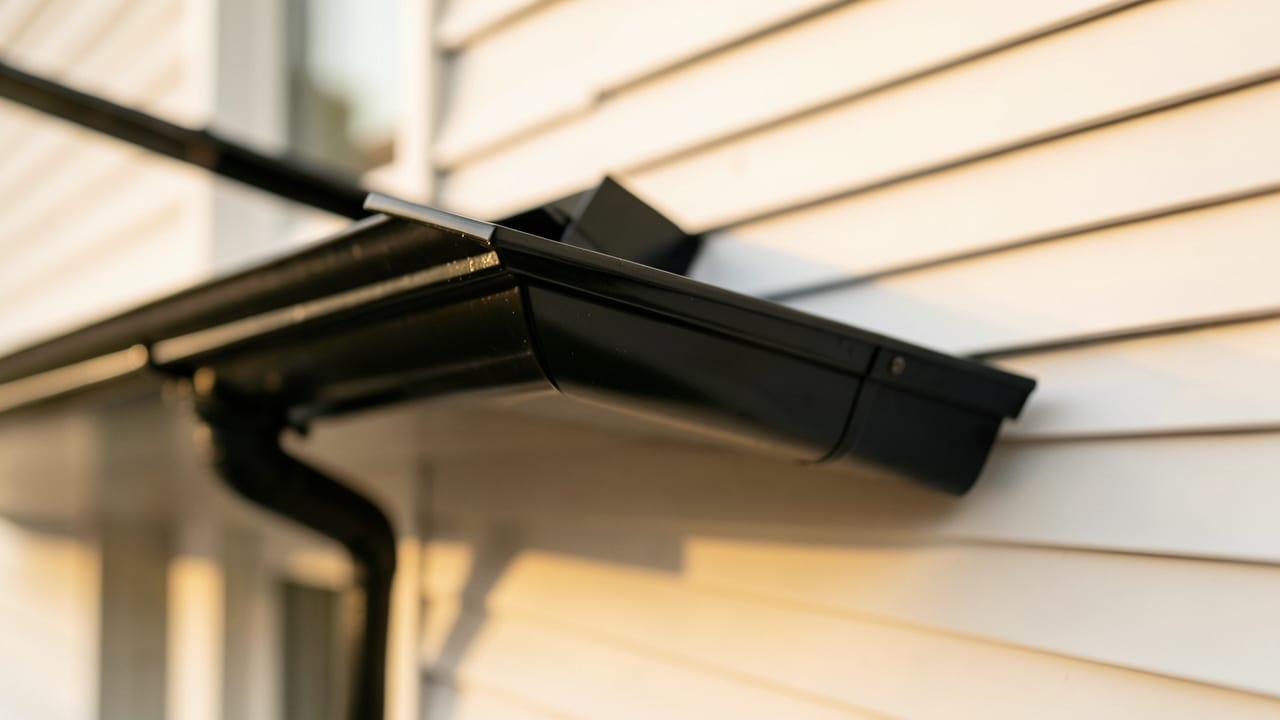
Pre-Winter Gutter Prep in Garden City Beach, SC
Pressure washing gutters and downspouts to remove debris and prevent winter clogs.
Learn More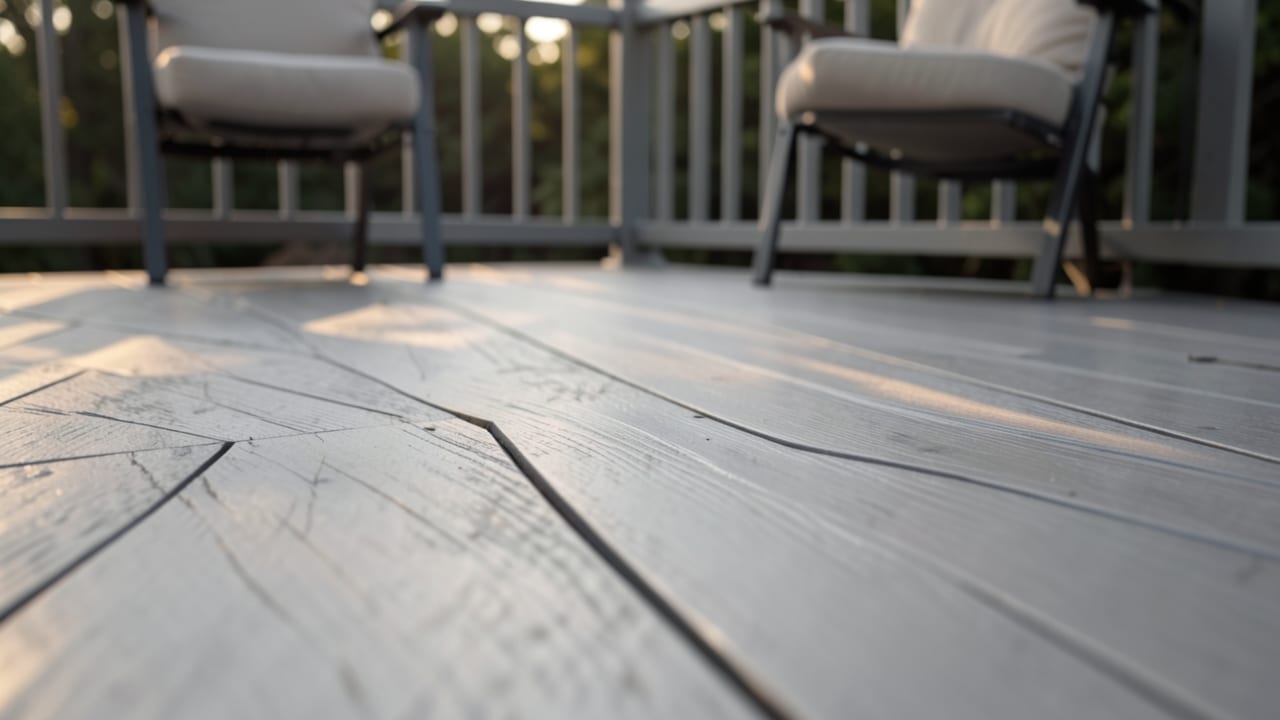
Spring Pollen Removal in Garden City Beach, SC
High-pressure washing to remove pollen buildup from exterior surfaces.
Learn More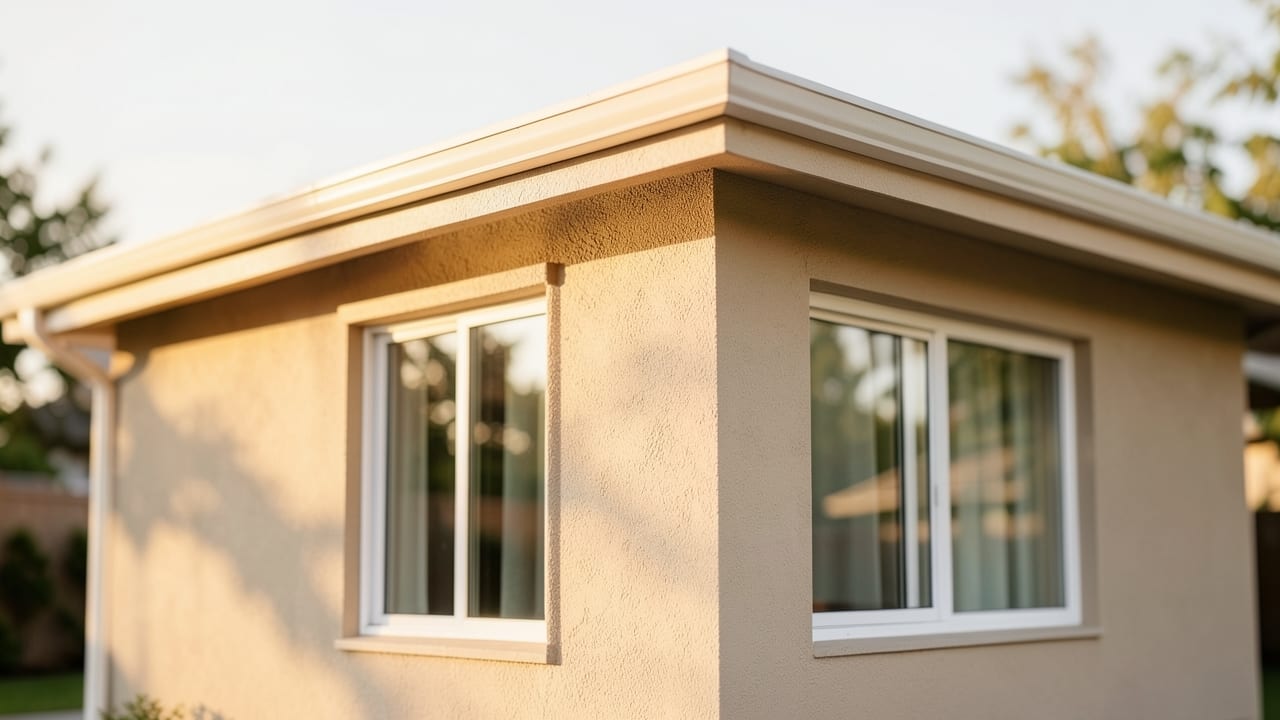
Pre-Sale Exterior Refresh in Garden City Beach, SC
High-pressure cleaning of home exteriors, driveways, decks, and walkways to remove dirt, grime, and stains.
Learn More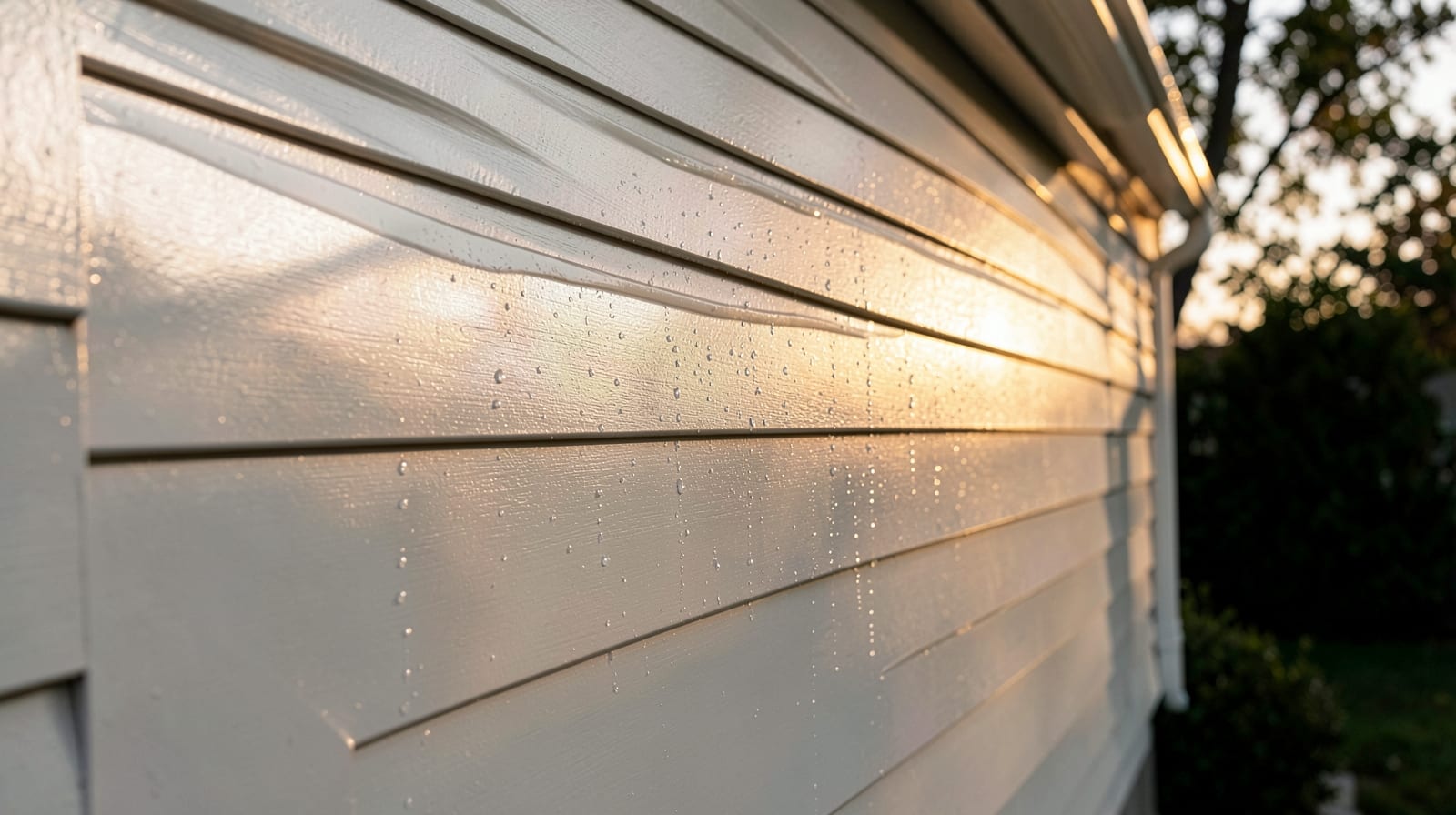
House Washing in Garden City Beach, SC
Soft-wash exterior house washing for siding, brick, and stucco in Garden City Beach, SC — removes dirt, algae, mildew, and salt residue, without damaging the surface.
Learn More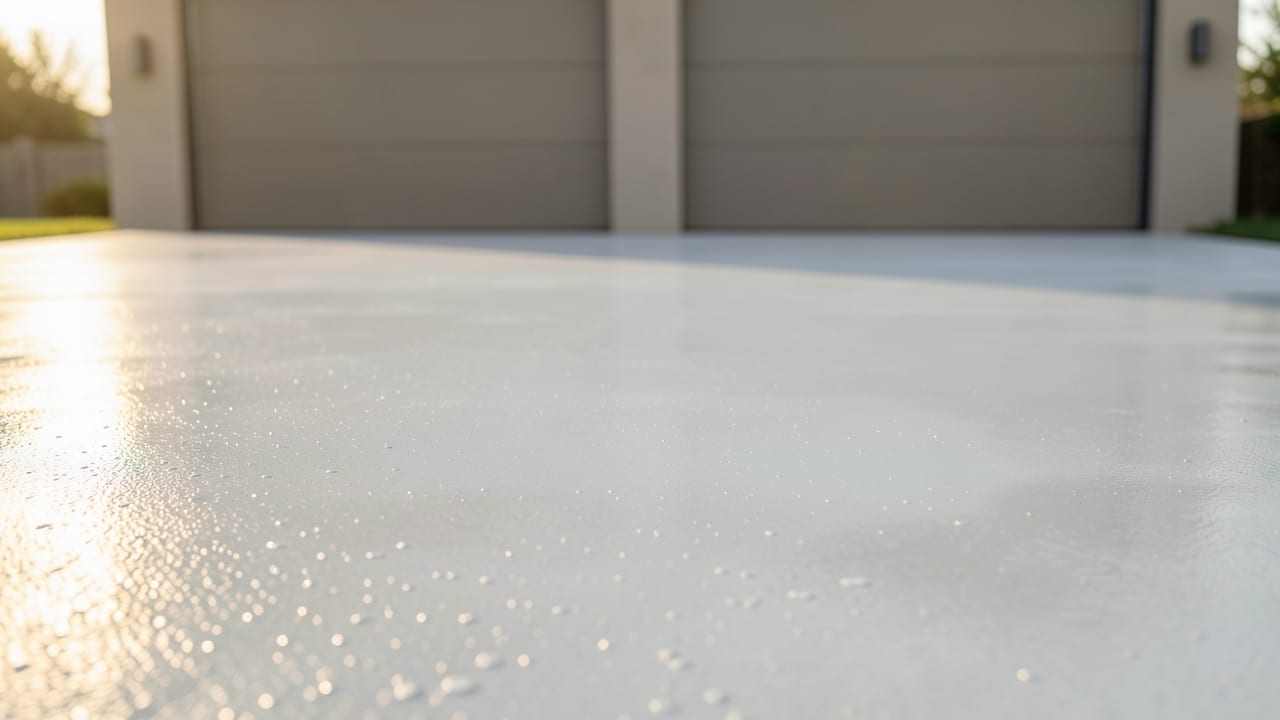
Driveway & Concrete Cleaning in Garden City Beach, SC
Pressure washing for driveways, walkways, and patios in Garden City Beach, SC — lifts oil stains, tire marks, and algae, mildew, and salt residue from concrete.
Learn MoreCommon Questions About Pressure Washing in Garden City Beach
Everything you need to know about pressure washing services in Garden City Beach
How much does Shutter Cleaning typically cost in Garden City Beach, SC?
Why does algae and mildew growth on homes in Garden City Beach, SC come back so quickly?
How often should a home's exterior actually be washed?
Are the cleaning chemicals used in soft washing safe for landscaping and pets?
Would home insurance cover damage caused by improper pressure washing?
Can pressure washing strip paint or an existing sealant off a surface?
Need Pressure Washing in Garden City Beach?
Get a written quote from our Garden City Beach crew.
⏰ We answer your call • Serving all of Garden City Beach and surrounding areas