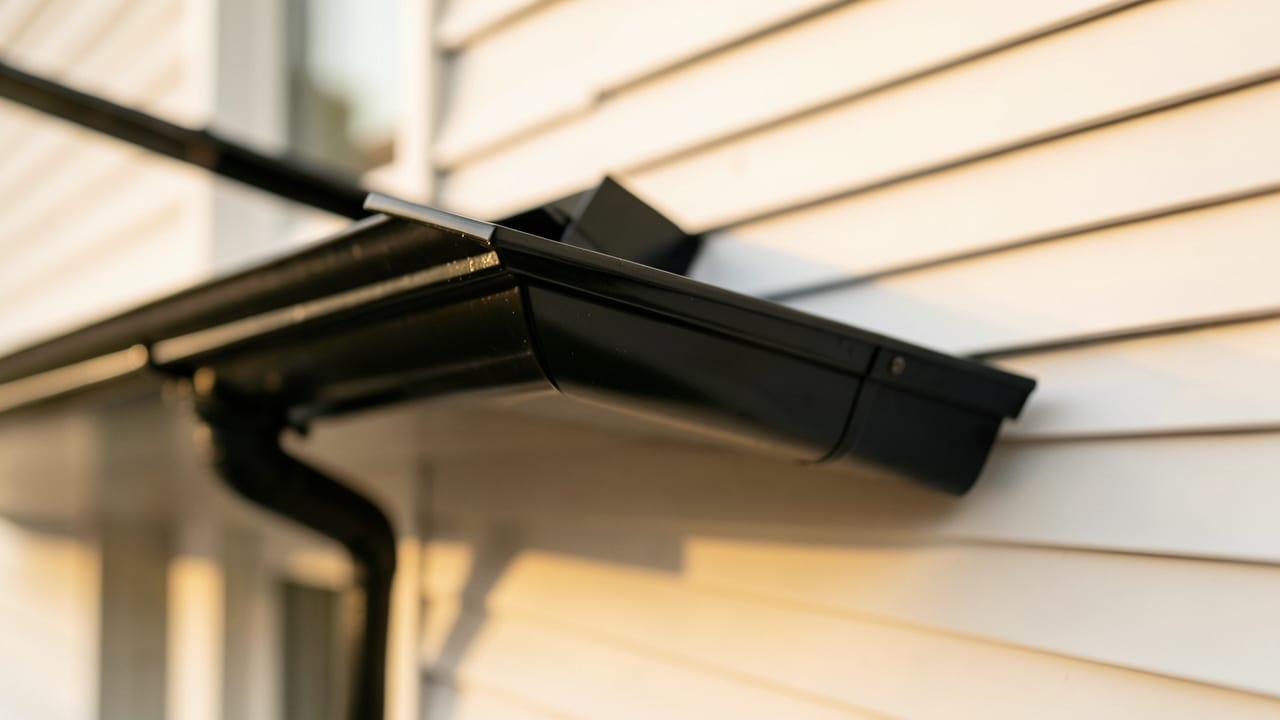
Pre-Winter Gutter Prep
Pressure washing gutters and downspouts to remove debris and prevent winter clogs.
As Garden City Beach, SC, braces for winter, pre-winter gutter prep helps protect your home by clearing leaves, dirt, and debris from gutters and downspouts. Pressure washing ensures proper water flow, reducing the risk of ice dams, overflow, and potential water damage during colder months.
This service also includes careful attention to siding and landscaping to minimize overspray and protect your home’s exterior surfaces.
We also handle Pool Deck Cleaning and Rust Removal for Garden City Beach properties.
Why pre-winter gutter prep matters in Garden City Beach
Garden City Beach’s coastal climate means gutters collect salt spray, sand, and organic buildup faster than inland areas. Left unchecked, clogged gutters can cause water to back up under roof shingles, leading to leaks or ice dams in winter.
Pre-winter prep removes this buildup, allowing gutters to function as designed and diverting water away from your foundation.
The process also includes inspecting downspouts for blockages and ensuring they direct water at least 5 feet away from your home. This step is critical in preventing erosion near your foundation, which can compromise structural integrity over time.
Coastal homes, in particular, face added risks from salt corrosion and wind-driven debris, making thorough cleaning essential before winter sets in.
Signs Your Gutters Need Pre-Winter Prep
- Water overflowing from gutters during light rain or melting snow, indicating clogs or improper slope.
- Visible debris—leaves, twigs, or dirt—accumulating in gutters or spilling over the edges.
- Water stains or peeling paint on siding directly below gutters, a sign of chronic overflow.
- Sagging gutters, which may signal long-term debris buildup or damage from wind or ice.
- Mold or mildew growth on gutters or nearby siding, often caused by trapped moisture.
What affects pricing and timing for gutter prep
Pricing for pre-winter gutter prep depends on the length of your gutters, the severity of debris buildup, and whether additional work—like downspout cleaning or minor repairs—is needed. Coastal homes with taller roofs or multiple stories may require more time and equipment, which can influence cost.
Most providers charge per linear foot, with prices varying based on local demand and the complexity of the job.
Timing is key, especially in Garden City Beach, where winter storms can arrive early. Scheduling prep in late fall—before the first hard freeze—allows gutters to stay clear through the season.
However, if heavy storms or hurricanes delay cleaning, addressing gutters as soon as possible after debris settles is critical to avoid winter damage.
Protecting your home during the process
Pressure washing gutters and siding involves more than just blasting away dirt—it requires protecting surfaces that could be damaged by overspray or cleaning solutions. Landscaping near the home is wetted down and covered, and exterior outlets or fixtures are bagged to prevent water intrusion.
This step is especially important in Garden City Beach, where salt air can corrode metal fixtures or damage delicate plants.
The cleaning process also includes using detergents formulated for specific siding materials—vinyl, wood, or fiber cement—each requiring a different approach. A low-pressure pre-treatment breaks down algae and mildew chemically, while a soft-wash rinse ensures even coverage without streaking or forcing water behind siding seams.
This method helps maintain the integrity of your home’s exterior while achieving a thorough clean.
Using high-pressure settings on siding or gutters can crack stucco, split vinyl seams, or strip factory finishes. Always confirm the provider uses low-pressure techniques (under 500 PSI) for siding and inspects for water intrusion after cleaning. If gutters show signs of rust or sagging, these may need repairs before winter to prevent leaks.
How pre-winter gutter prep works
- 1Safety and Protection
The crew starts by covering landscaping, bagging exterior outlets, and securing any loose debris with tarps. This step prevents overspray from damaging plants or forcing water into unintended areas, which is especially important near coastal homes where salt and wind can exacerbate wear.
- 2Detergent Pre-Treatment
A cleaning solution tailored to your siding material—vinyl, wood, or fiber cement—is applied at low pressure. This chemical dwell time breaks down algae, mildew, and grime without relying on high pressure, which can damage surfaces or push water behind siding seams.
- 3Pressure Washing Gutters and Downspouts
Gutters and downspouts are cleaned using a wide-fan tip at low pressure (typically under 1,500 PSI) to avoid warping or damaging the material. The crew works top to bottom, ensuring all debris is flushed out and downspouts are clear to direct water away from the foundation.
- 4Spot Treatment and Final Rinse
Areas with heavy staining or stubborn buildup receive a second pass with a concentrated solution, not higher pressure. A final clear-water rinse removes all detergent residue, and the crew inspects the work in daylight to check for missed spots or potential damage.
- 5Inspection and Recommendations
The crew walks the perimeter to identify any pre-existing issues—like loose gutters or cracked siding—that may need attention before winter. They also advise on maintenance, such as trimming overhanging vegetation or adjusting sprinklers that may keep siding damp.
Frequently asked questions
How do I know if my gutters need cleaning before winter?
Check for overflow during rain, visible debris buildup, or water stains on siding below gutters. If gutters sag or show signs of rust, these are red flags. A quick visual inspection from ground level or a ladder can reveal most issues, though a professional can spot hidden problems like clogged downspouts.
Will pressure washing damage my siding or gutters?
When done correctly, low-pressure techniques (under 500 PSI for siding, under 1,500 PSI for gutters) minimize risk. However, high pressure can crack stucco, split vinyl, or force water behind siding. Always confirm the provider uses material-specific methods and inspects for damage afterward.
Can I clean my gutters myself, or should I hire a professional?
DIY cleaning works for minor debris, but coastal homes often have heavier buildup from salt and wind-driven sand. Professionals use specialized equipment, detergents, and safety measures (like ladders and harnesses) to ensure gutters and downspouts are fully cleared and inspected for damage.
How often should gutters be cleaned in Garden City Beach?
Coastal areas typically require cleaning every 6–12 months due to salt, sand, and organic debris. Pre-winter prep is critical, but checking gutters after storms or seasonal leaf fall can help maintain their function and extend their lifespan.
See Red Hill, SC for more, or check out the pressure washing work we do around Garden City Beach before booking for our complete lineup.
Ready to get started?
Talk to a local pressure washing pro in Garden City Beach — get a written quote.
Other Pressure Washing Services in Garden City Beach

Pool Deck Cleaning in Garden City Beach, SC
Pool deck cleaning in Garden City Beach, SC — chemical-safe cleaning that restores slip resistance and removes algae staining.
Learn More
Rust Removal in Garden City Beach, SC
Professional pressure washing to remove rust stains from driveways, sidewalks, and exterior surfaces.
Learn More
Oil Stain Removal in Garden City Beach, SC
High-pressure cleaning to remove oil stains from driveways, garages, and other surfaces.
Learn More
Mildew Treatment in Garden City Beach, SC
Professional pressure washing to remove mildew from exterior surfaces like siding, decks, and fences.
Learn More
Vinyl Siding Cleaning in Garden City Beach, SC
Professional pressure washing to remove dirt, mold, and grime from vinyl siding.
Learn More
Patio Cleaning in Garden City Beach, SC
High-pressure washing to remove dirt, grime, and stains from patios, restoring their appearance.
Learn MoreCommon Questions About Pressure Washing in Garden City Beach
Everything you need to know about pressure washing services in Garden City Beach
How much does Pre-Winter Gutter Prep typically cost in Garden City Beach, SC?
Why does algae and mildew growth on homes in Garden City Beach, SC come back so quickly?
Can the wrong PSI actually damage a house or driveway?
What's the actual difference between pressure washing and soft washing?
How often should a home's exterior actually be washed?
Are the cleaning chemicals used in soft washing safe for landscaping and pets?
Need Pressure Washing in Garden City Beach?
Get a written quote from our Garden City Beach crew.
⏰ We answer your call • Serving all of Garden City Beach and surrounding areas