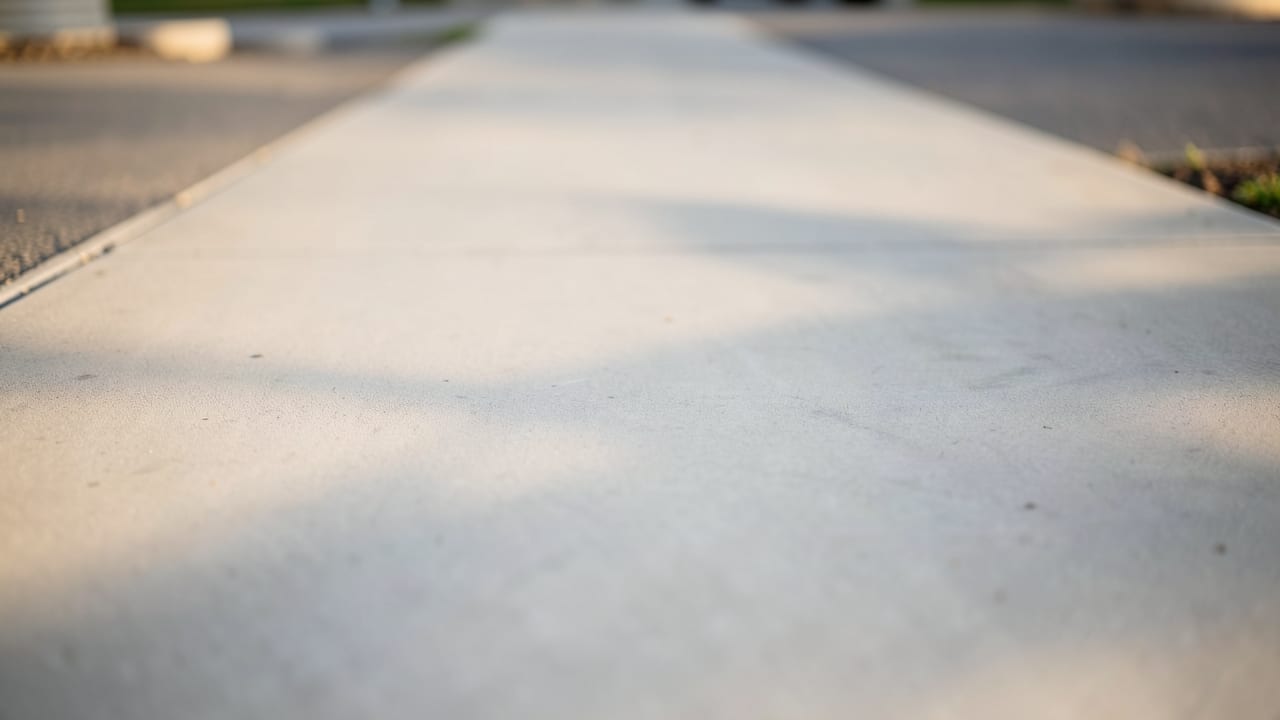
Sidewalk Cleaning
High-pressure washing to remove dirt, grime, and stains from sidewalks and walkways.
Pressure washing sidewalks in Garden City Beach, SC, removes deep-set dirt, oil stains, and moss buildup using high-pressure water and targeted cleaning solutions. This process restores the appearance of concrete surfaces and improves safety by eliminating slippery algae or mineral deposits.
Local providers assess surface types—like plain or sealed concrete—to apply the right pressure and chemicals for effective, long-lasting results without causing damage.
We also handle Apartment Complex Washing and Rental Property Washing for Garden City Beach properties.
When sidewalk cleaning is needed
Sidewalks in Garden City Beach often show signs of staining that plain water can’t remove. Dark, spreading oil stains, slick surfaces when wet, or a green/black tinge in shaded areas are common indicators of algae, mildew, or mineral buildup.
These stains don’t fade with rain and can worsen over time if left untreated.
Other clues include a white, powdery haze (efflorescence) or visible etching from past pressure-washing attempts. These issues aren’t just cosmetic—they can make walkways slippery or unsightly, especially in high-traffic areas like driveways or patios near the beach.
Signs Your Sidewalk Needs Cleaning
- Dark stains that spread at the edges over time (oil, rust, or tire marks).
- A noticeably slick surface when wet, beyond normal wet concrete slipperiness (algae or mildew).
- Green/black discoloration in shaded corners or low spots (algae or organic buildup).
- White, powdery deposits on the surface (efflorescence from mineral buildup).
- Visible etching or striped patterns from past pressure washing (overly aggressive cleaning).
What affects pricing and timing
Pricing for sidewalk cleaning in Garden City Beach typically ranges based on the size of the surface, the type of staining, and whether the concrete is plain or sealed.
Plain concrete tolerates higher pressure and may require less chemical treatment, while sealed or stamped surfaces need gentler methods to avoid damaging the finish.
Additional factors include the need for pre-treatment (like dwell time for stains) or post-treatment sealing, which can extend the time between cleanings. Jobs covering a single-car driveway or small patio usually fall within a standard range, but larger or heavily stained areas may require extra time and materials.
Why surface type matters
Not all concrete sidewalks are the same. Plain broom-finish concrete can handle higher pressure without damage, while sealed, stamped, or colored surfaces require lower pressure to avoid stripping the finish. Using the wrong pressure on decorative concrete can leave blotchy or uneven areas, reducing its lifespan.
Before cleaning begins, professionals inspect the surface to determine the safest method. This step helps avoid common mistakes like etching or discoloration, which can make the problem worse than it was originally.
| Surface Type | Pressure Risk | Recommended Approach |
|---|---|---|
| Plain broom-finish concrete | High pressure can etch or strip | Standard high-pressure wash with detergent pre-treatment |
| Sealed or stamped concrete | Low pressure required to avoid finish damage | Soft-wash method with specialized detergents |
| Colored or textured concrete | Risk of discoloration or texture loss | Low-pressure wash with gentle chemical solutions |
How sidewalk cleaning works
Cleaning sidewalks involves targeted pressure washing and chemical treatment to remove stains and buildup safely.
- 1Surface Inspection
The concrete is checked for type (plain, sealed, or stamped) and condition. This determines the pressure and chemicals used to avoid damage.
- 2Detergent Application
A degreasing or stain-lifting solution is applied to oil spots, rust, or algae. It’s left to dwell to break down deep-set stains before rinsing.
- 3Pressure Washing
The surface is cleaned in overlapping passes with a surface cleaner attachment held at a consistent distance. This ensures even coverage without etching.
- 4Edge and Detail Work
Expansion joints and edges are finished separately at lower pressure to prevent visible lines or damage in tight spaces.
- 5Rinse and Containment
A final clear-water rinse removes residue, and runoff is directed away from storm drains or planting beds to protect landscaping.
Frequently asked questions
Will pressure washing remove oil stains from my driveway?
Pressure washing alone often spreads oil stains outward rather than lifting them. A degreasing detergent applied before pressure washing is needed to break down the stain. Prompt treatment of fresh spills also helps prevent deep penetration.
Can I pressure wash my sealed concrete myself?
Sealed concrete requires lower pressure than plain concrete to avoid damaging the finish. Using the wrong pressure can strip the sealer, leaving a blotchy or uneven appearance. A professional assesses the surface first to determine the safest method.
How often should I have my sidewalk cleaned?
Sidewalks in Garden City Beach may need cleaning every 1–3 years, depending on foot traffic, weather, and staining. Routine sweeping and prompt cleanup of spills can extend the time between professional cleanings.
What causes the white powdery haze on my concrete?
Efflorescence is a white, powdery deposit caused by mineral buildup in the concrete. It’s not dirt and won’t wash away easily. A professional can determine if it requires specialized treatment beyond standard pressure washing.
See Daviston, SC for more, or take a look at how our Garden City Beach crew can help in detail for our complete lineup.
Ready to get started?
Talk to a local pressure washing pro in Garden City Beach — get a written quote.
Other Pressure Washing Services in Garden City Beach
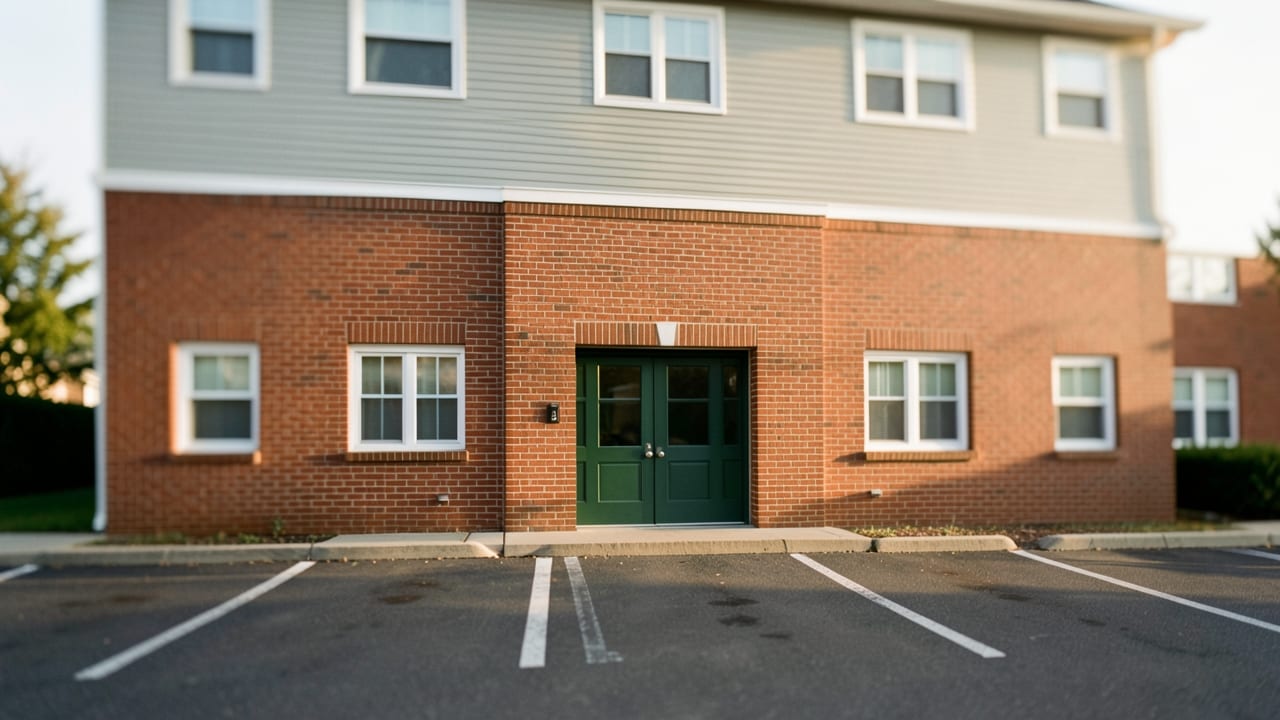
Apartment Complex Washing in Garden City Beach, SC
High-pressure cleaning of apartment building exteriors, walkways, and common areas to remove dirt and grime.
Learn More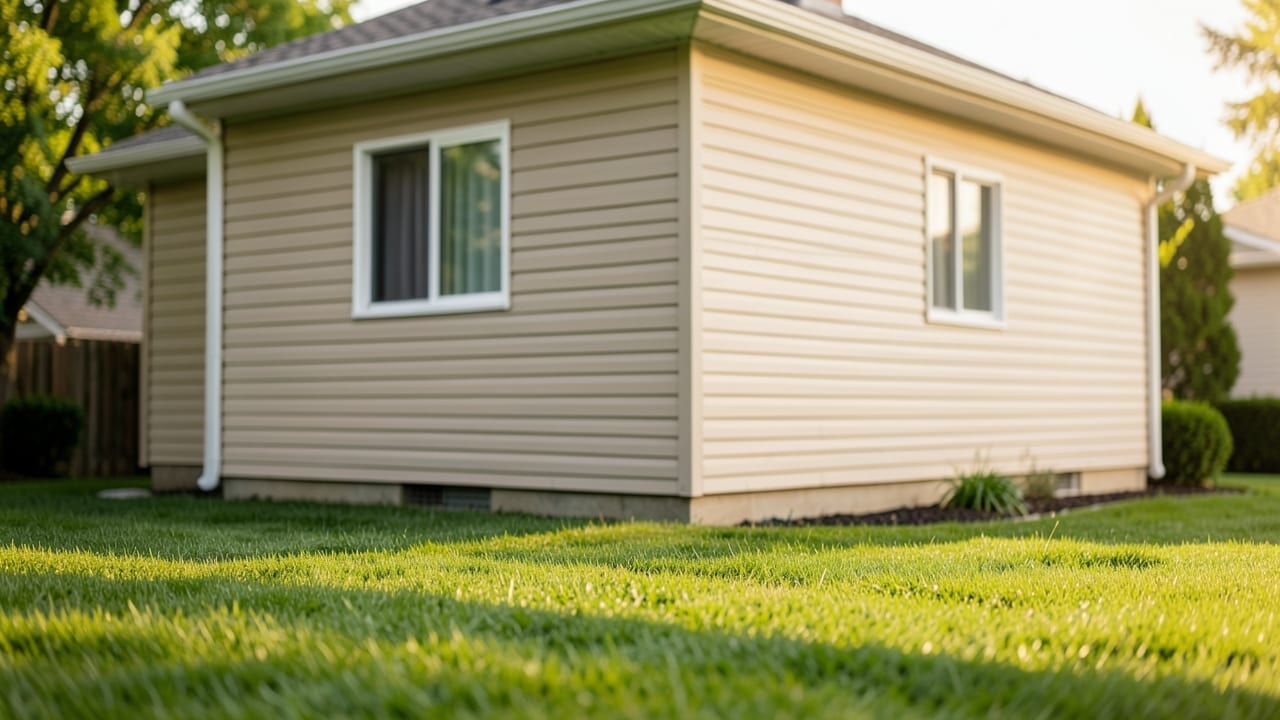
Rental Property Washing in Garden City Beach, SC
High-pressure cleaning of rental property exteriors to remove dirt, grime, and mold.
Learn More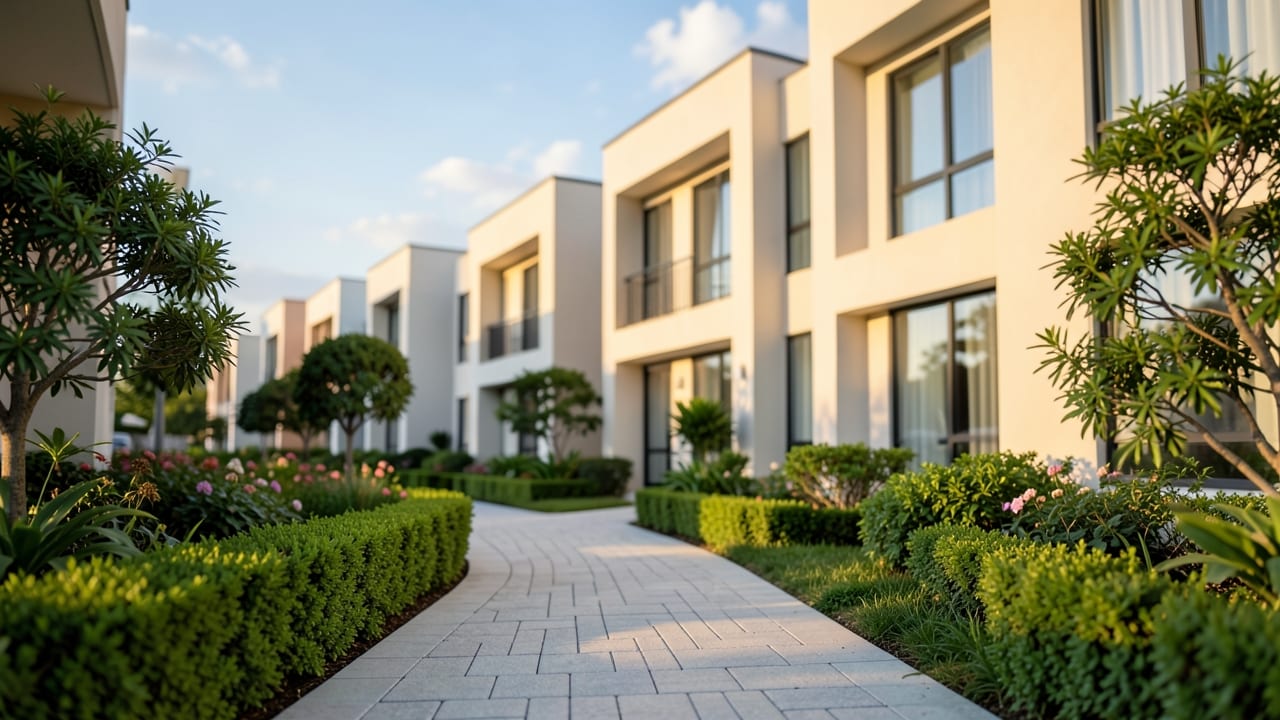
Condo Association Washing in Garden City Beach, SC
High-pressure cleaning of condo association exteriors, walkways, and common areas to remove dirt and grime.
Learn More
Medical Clinic Exterior Washing in Garden City Beach, SC
High-pressure cleaning of medical clinic exteriors to remove dirt, grime, and contaminants.
Learn More
New Construction Final Clean in Garden City Beach, SC
Thorough post-construction cleanup using pressure washing to remove debris, dust, and residue from new builds.
Learn More
Hard Water Stain Removal in Garden City Beach, SC
Pressure washing to remove hard water stains from exterior surfaces.
Learn MoreCommon Questions About Pressure Washing in Garden City Beach
Everything you need to know about pressure washing services in Garden City Beach
How much does Sidewalk Cleaning typically cost in Garden City Beach, SC?
Why does algae and mildew growth on homes in Garden City Beach, SC come back so quickly?
How long does washing a typical house exterior take?
Can pressure washing damage concrete, pavers, or mortar joints?
What are the actual named steps in a professional pressure washing job?
Can the wrong PSI actually damage a house or driveway?
Need Pressure Washing in Garden City Beach?
Get a written quote from our Garden City Beach crew.
⏰ We answer your call • Serving all of Garden City Beach and surrounding areas