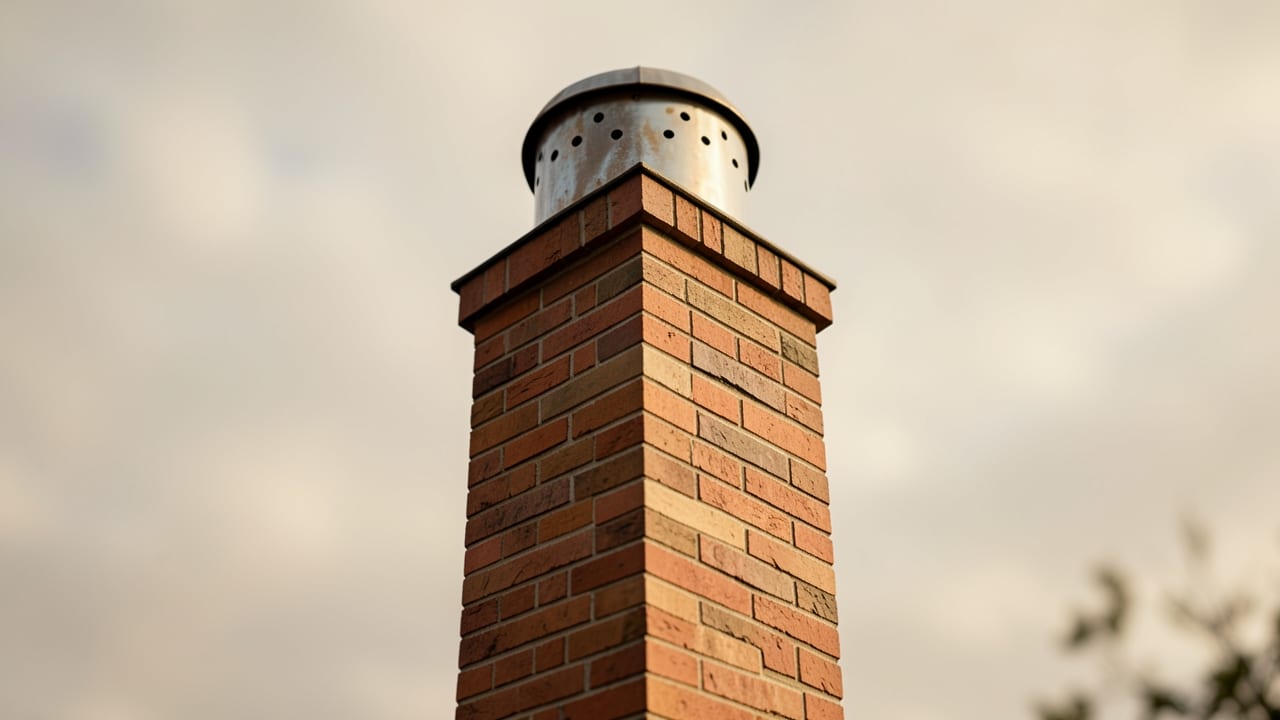
Chimney Exterior Cleaning
Pressure washing to remove soot, dirt, and stains from chimney exteriors.
Chimney exterior cleaning in Garden City Beach, SC, removes built-up soot, dirt, and mineral deposits from brick, stone, or metal surfaces using controlled pressure washing. This process restores the chimney’s appearance, prevents long-term masonry degradation, and addresses issues like efflorescence and algae.
Local climate and coastal exposure accelerate wear, making regular maintenance essential for homeowners in the area.
We also handle Driveway & Concrete Cleaning and Roof Washing (Soft Wash) for Garden City Beach properties.
When chimney exterior cleaning is needed
A chimney’s appearance and structural integrity depend on how well its exterior is maintained. Coastal humidity, salt air, and frequent rain in Garden City Beach speed up the buildup of grime, algae, and efflorescence.
These signs indicate it’s time for cleaning: a greenish or black film on the chimney’s surface, a white, chalky haze (efflorescence) covering brick or stone, or dark staining concentrated below downspouts or rooflines.
Mortar joints that appear recessed, crumble under slight pressure, or show visible erosion also signal the need for careful cleaning. Ignoring these issues can lead to accelerated deterioration, as moisture trapped in weakened mortar fosters algae growth and further weakens the masonry.
Addressing these problems early helps extend the chimney’s lifespan and maintains your home’s curb appeal.
Signs Your Chimney Needs Cleaning
- A greenish or black film on the chimney’s surface (likely algae or mildew).
- White, chalky patches (efflorescence) from mineral deposits in the masonry.
- Dark staining directly below downspouts or rooflines, indicating runoff buildup.
- Mortar joints that look recessed, crumble easily, or show visible erosion.
- Visible soot or dirt buildup that obscures the brick or stone’s original texture.
What affects pricing and timing
The scope of chimney exterior cleaning varies based on the chimney’s material, size, and condition. Brick, stone, and metal surfaces each require different pressure settings and techniques to avoid damage.
For example, older or softer brick may need lower pressure to prevent pitting, while metal chimneys might require specialized cleaning to avoid corrosion. The presence of efflorescence or algae also adds time, as these require targeted treatment rather than just pressure washing.
Accessibility plays a role in both pricing and timing. Chimneys with complex designs, multiple flues, or those located on multi-story homes may take longer to clean safely.
Additionally, weather conditions—such as recent rain or upcoming cold snaps—can delay the job to avoid trapping moisture in the masonry, which can lead to freeze-thaw damage.
| Factor | Impact on Pricing/Timing |
|---|---|
| Chimney Material | Brick, stone, and metal each require different pressure settings and techniques. |
| Size and Condition | Larger or heavily stained chimneys take longer; efflorescence or algae add treatment time. |
| Accessibility | Multi-story homes or complex designs may require additional labor or equipment. |
| Weather Conditions | Recent rain or cold weather can delay the job to prevent moisture-related damage. |
| Mortar Condition | Weak or eroded mortar may require lower pressure or additional inspections. |
Preparing for chimney exterior cleaning
Proper preparation ensures the cleaning process is effective and safe for your chimney. Start by clearing the area around the chimney of any debris, outdoor furniture, or plants that could be affected by runoff.
If you have pets, keep them indoors during the process, as some cleaning solutions may be harmful if ingested. For landscaping, consider covering nearby plants or shrubs with tarps to protect them from any chemical runoff.
Inspect the chimney for loose bricks, damaged mortar, or pre-existing cracks before the cleaning begins. While pressure washing can reveal hidden issues, it’s not intended to repair structural problems.
If you notice significant deterioration, note it for discussion with the service provider, as they may recommend further repairs to prevent long-term damage.
Move outdoor furniture, toys, and decorations away from the cleaning area. Cover plants or shrubs near the chimney with tarps to shield them from chemical runoff. Secure pets indoors, as some detergents used in soft-wash methods can be harmful if ingested.
How chimney exterior cleaning works
This process balances cleaning effectiveness with protecting the masonry’s integrity.
- 1Inspect Mortar and Surface Condition
The chimney’s mortar joints and brick or stone surface are examined for crumbling, recession, or efflorescence. Weak mortar is identified to adjust pressure settings and avoid further damage.
- 2Apply Masonry-Safe Solution
A detergent designed for brick, stone, or metal is sprayed to break down soot, algae, and mineral deposits without scrubbing them off aggressively. This step softens grime for easier removal.
- 3Pressure Wash at Controlled Settings
Low-to-medium pressure is used, directed across the face of the brick or stone—not into the mortar joints—to remove loosened residue. Pressure is reduced for older or softer materials to prevent pitting.
- 4Treat Efflorescence and Stains
White mineral haze (efflorescence) and organic stains are treated with a masonry-safe solution rather than blasted off, as aggressive methods can damage softer surfaces.
- 5Rinse and Re-Inspect
The chimney is rinsed to clear residue, and mortar joints are checked again for hidden deterioration. Any areas needing repair are noted for discussion with the homeowner.
Frequently asked questions
How often should I clean the exterior of my chimney?
Chimney exteriors in coastal areas like Garden City Beach may need cleaning every 1–3 years, depending on exposure to salt air, humidity, and soot buildup. Regular inspections help determine the right interval for your specific chimney.
Will pressure washing damage my chimney’s mortar or brick?
When done correctly, pressure washing at the right PSI and angle minimizes risk to mortar and brick. However, older or weakened mortar may require lower pressure or alternative methods to avoid further erosion.
Can I clean my chimney myself, or should I hire a professional?
DIY cleaning with improper pressure or chemicals can damage masonry or void warranties on some materials. Professionals assess surface condition, use appropriate detergents, and adjust pressure settings to balance cleaning and protection.
What should I do if my chimney has loose bricks or crumbling mortar after cleaning?
Pressure washing often reveals pre-existing damage that wasn’t visible under grime. If loose bricks or crumbling mortar are found, the service provider will note it for you to address with a masonry repair specialist.
See Litchfield Beach, SC for more, or discover the pressure washing work we do around Garden City Beach by category for our complete lineup.
Ready to get started?
Talk to a local pressure washing pro in Garden City Beach — get a written quote.
Other Pressure Washing Services in Garden City Beach
Driveway & Concrete Cleaning in Garden City Beach, SC
Pressure washing for driveways, walkways, and patios in Garden City Beach, SC — lifts oil stains, tire marks, and algae, mildew, and salt residue from concrete.
Learn More
Roof Washing (Soft Wash) in Garden City Beach, SC
Low-pressure soft-wash roof cleaning in Garden City Beach, SC removes algae streaks without damaging shingles.
Learn More
Deck & Fence Cleaning in Garden City Beach, SC
Wood and composite deck and fence cleaning in Garden City Beach, SC — restores surfaces before staining or sealing.
Learn More
Gutter Cleaning in Garden City Beach, SC
Gutter and downspout cleaning in Garden City Beach, SC to clear leaf buildup and keep water flowing away from the foundation.
Learn More
Window Cleaning in Garden City Beach, SC
Exterior window and window-frame cleaning in Garden City Beach, SC, often bundled with a full house wash.
Learn More
Commercial Pressure Washing in Garden City Beach, SC
Pressure washing for storefronts, parking lots, and commercial properties in Garden City Beach, SC.
Learn MoreCommon Questions About Pressure Washing in Garden City Beach
Everything you need to know about pressure washing services in Garden City Beach
How much does Chimney Exterior Cleaning typically cost in Garden City Beach, SC?
Why does algae and mildew growth on homes in Garden City Beach, SC come back so quickly?
What are the actual named steps in a professional pressure washing job?
Can the wrong PSI actually damage a house or driveway?
What's the actual difference between pressure washing and soft washing?
How often should a home's exterior actually be washed?
Need Pressure Washing in Garden City Beach?
Get a written quote from our Garden City Beach crew.
⏰ We answer your call • Serving all of Garden City Beach and surrounding areas